

The mortgage itself is only one of your financial responsibilities as a homeowner. Your monthly payment also includes insurance and property taxes, both of which can make up a sizable chunk of your budget.
Property taxes can be especially tricky for homeowners since they feel so unpredictable. Many home buyers are shocked when they receive their first property tax bill because they were under the impression their taxes would be much lower. Unfortunately, taxes often increase after a home sale, leaving the new homeowners scrambling to come up with the funds.
Understanding how and why taxes can change after a home sale can help you prepare for your first tax bill in your new house. If you’re in the market to buy a home, you should know how taxes are calculated and why they can increase.
How Tax Rates Are Determined
Property tax rates are set by your city, town, or county government. The average rate in the United States is around 1 percent of a home’s value per year, but rates can vary drastically by municipality.
The tax rate, also known as the millage rate, is the percentage of your house’s value that you’ll pay in taxes per year. However, the value that the government assigns to your property is not the same as the sale price of the home.
Tax assessors work for the local government and evaluate every property in the town individually. They consider the size, layout, and location of each property in addition to its sale price and the sale prices of similar homes in the area. With all this information, they assign a dollar value to the house. This value is then multiplied by the tax rate to calculate the tax bill.
Tax Exemptions
Sometimes, properties qualify for exemptions, which can reduce your tax burden. Most exemptions are based on the homeowner’s qualifications rather than on the property itself. For example, many municipalities offer exemptions to certain homeowners based on veteran status, age, or disability.
An exemption can reduce the taxable value of your property by a certain percentage. For example, if you qualify for a 30% exemption and the assessor values your house at $500,000, you’ll only have to pay property taxes on $350,000.
In other cases, exemptions reduce the taxable value of the house by a flat amount. For instance, you might qualify for a valuation reduction of $100,000 regardless of the total value of your property.
Tax exemptions only reduce the taxable value of your house, not the house’s market value. If you receive a tax exemption, you can still sell the property for its full market price.
Factors That Influence Property Taxes
Property taxes can change for a number of reasons. Here are three of the most common reasons homeowners see their tax bill increase:
Home Improvements
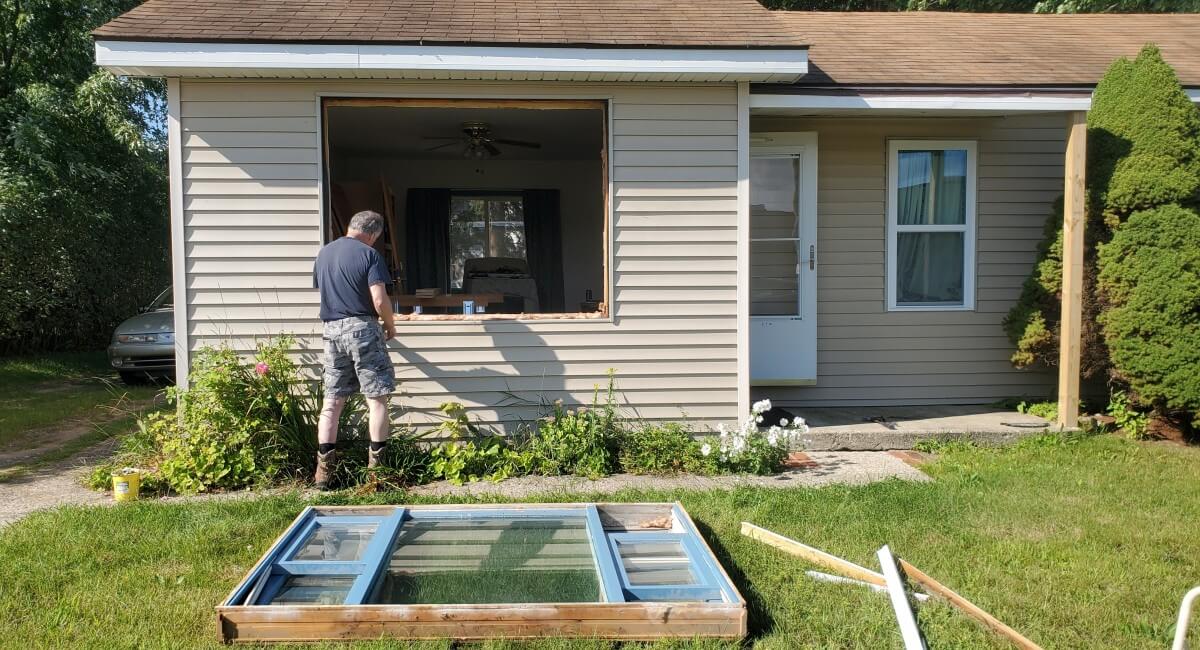
Minor upgrades and cosmetic improvements are unlikely to impact the assessed value of your house. However, the following renovations can increase your property taxes:
- Finishing the basement
- Building an in-law suite
- Converting a spare room to a bedroom
- Major kitchen or bathroom renovations
- Converting the garage
- Adding a permanent fireplace
- Installing a pool
- Building a shed, garage, or other structure
- Paving the driveway
- Installing a fence
Any upgrade that requires you to apply for a permit could trigger a reassessment. In some areas, tax assessors look through permit records to select properties to reassess. Because these projects can significantly increase the market value of your house, they can also increase the tax assessed value of the property.
Housing Market Changes
Rising housing costs typically result in higher tax bills. The tax assessed value of a property may not perfectly match its market value, but the two are usually correlated. If houses in your area start selling for more, the assessed values will also rise, resulting in more taxes.
Local Policies
Your tax bill goes up when the value of your house goes up, but the rate itself can also change. The local government is responsible for setting the property tax rate, and many communities rely heavily on property taxes to fund community services. When the town’s budget calls for more funding, increasing the tax rate is often the first solution.
Why Your Taxes Might Go Up After Buying a House
Property taxes can increase at virtually any time, but it’s especially common to see a tax increase right after purchasing a house. Here are the two main reasons for this change:
Sale Triggers a Reassessment
In many areas, the sale of a house triggers a tax reassessment. Not only will the assessor consider the size and layout of the property, but they’ll also look at its recent sale value. If housing prices in your area are rising, the new assessed value will almost certainly go up as well.
Lost Exemption
The seller of the home may have qualified for an exemption that reduced their tax burden. If you don’t qualify for the exemption, you’ll be charged the original tax rate for the property. Sometimes, losing an exemption can almost double a property’s tax bill.
How to Find Tax Records
Tax records are public information, so you can typically find a property’s tax history online. Your city or county website may have a database that allows you to search by address.
Looking at the tax history for a home you’re interested in can be helpful when trying to predict the monthly costs. If the property’s tax bill is significantly lower than the bill for similar properties in the area, the current owner might have an exemption. If the taxes haven’t gone up in several years, they’re probably due for an increase soon.
Appealing a Tax Assessment
If you feel like your house was assessed at an unreasonably high value, you can appeal it with your local government. The appeals process varies by city, so you should reach out to your town office directly to ask about next steps.
Build your case carefully, and collect as much documentation as possible. Look at similar homes and their tax burdens to see how your property compares. If possible, hire an independent appraiser to assess the value of your house. You could save hundreds or even thousands of dollars on your tax bill if you make a strong case to your local government.
Managing Tax Increases With Ease
Property taxes are a frequent source of stress for homeowners, but you don’t have to leave your taxes up to chance. Research the tax rates in your town, learn about local policies, and know what events are likely to trigger a tax increase. If you have any questions or concerns about property taxes, consult with a trusted real estate agent who knows your local laws.